 Wander
Hanoi
The atmospheric capital, where a tangle of Old Quarter streets buzzes with motorbikes, street food, and colonial architecture. The gateway to Halong Bay and the northern mountains.
Discover day-by-day travel plans shared by the Wander community in Vietnam
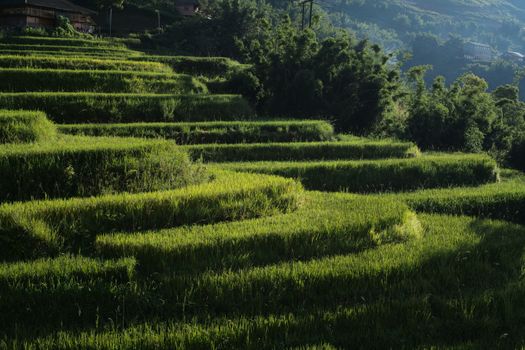
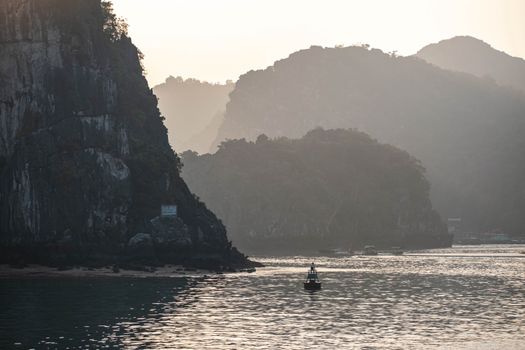
Vietnam is a long, narrow ribbon of a country that packs astonishing variety into a single journey from north to south. Travelers are drawn by the emerald limestone islands of Halong Bay, the lantern-lit lanes of Hoi An, the terraced rice paddies of the northern highlands, and the frenetic, motorbike-filled energy of its great cities. It remains one of the most affordable destinations in Asia, where a hearty bowl of pho or a fresh banh mi costs only a dollar or two.
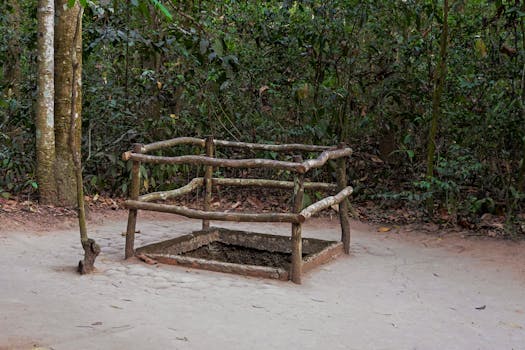
The country's history runs deep and layered, from imperial citadels and ancient pagodas to the sobering legacy of twentieth-century conflict. Coffee culture is a national obsession, best sampled as a sweet, strong iced cup on a tiny plastic stool watching the street go by. Distances are long, so most visitors travel south to north or the reverse, hopping between regions by short flights, comfortable sleeper trains, and tourist buses. With dramatic landscapes, deeply flavorful food, and warm, resourceful people, Vietnam delivers an intense and rewarding adventure that suits backpackers and comfort-seekers alike.
The atmospheric capital, where a tangle of Old Quarter streets buzzes with motorbikes, street food, and colonial architecture. The gateway to Halong Bay and the northern mountains.
The fast-paced southern metropolis, formerly Saigon, blending skyscrapers and rooftop bars with war history museums, bustling markets, and an endlessly energetic street life.
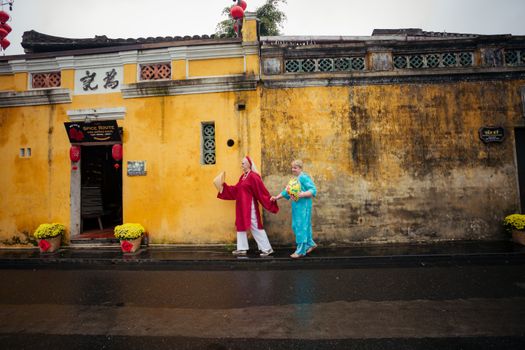
A beautifully preserved riverside trading town famous for its glowing lanterns, tailor shops, and ancient yellow houses. One of the most romantic and walkable spots in the country.
A modern coastal city with long sandy beaches, the famous Golden Bridge held by giant stone hands, and easy access to the Marble Mountains and nearby Hoi An.
The former imperial capital on the Perfume River, home to a sprawling royal citadel, ornate tombs of past emperors, and a refined regional cuisine all its own.
FX rate as of 2026-05-01
January
Cool and sometimes misty in the north while the south stays warm and dry; a pleasant but cooler time to explore central regions.
February
Dry and mild across much of the country, with the festive Tet holiday bringing color, though some businesses briefly close.
March
One of the best all-round months, with warm, dry weather nationwide and comfortable temperatures for both beaches and cities.
April
Warm and largely dry throughout, offering excellent conditions in the center and south before the summer heat fully arrives.
May
Heat and humidity build, and the southern rainy season begins with afternoon showers, though mornings often remain clear.
June
Hot and humid with regular rain in the south and center, but beach resorts in the center can still enjoy sunny spells.
July
Peak summer heat with frequent downpours in many regions, although the central coast around Da Nang often stays drier.
August
Wet and humid across the north and south, with the chance of storms, but lush scenery and lower prices reward flexible travelers.
September
Rain and the risk of typhoons affect the central coast, making travel plans here less reliable during this stormy month.
October
The north turns cool, clear, and beautiful as the rains ease, making it a fine time for Hanoi and the highlands.
November
Dry, mild, and comfortable in the north and south, this is among the most pleasant months to travel end to end.
December
Cool and dry in the north and warm in the south, offering reliable sunshine, though northern highlands can get genuinely chilly.
Two to three weeks lets you travel the length of the country from Hanoi to Ho Chi Minh City with stops in the center. With only a week, focus on one region, such as the north around Hanoi and Halong Bay, to avoid rushing.
Absolutely. Vietnam is one of the cheapest countries in the region, with inexpensive street food, affordable guesthouses, and low-cost transport. Even mid-range travelers find their money stretches a long way across the whole country.
Most travelers combine short domestic flights for long jumps with sleeper trains and tourist buses for shorter legs. The reunification railway along the coast is scenic, and overnight trains save both time and a night of accommodation.
It feels daunting at first, but the trick is to walk slowly and steadily without stopping suddenly, letting the motorbikes flow around you. Avoid darting or freezing, and you will quickly get the hang of it.
Visa rules vary widely by nationality, with some travelers entering visa-free for short stays and others needing an e-visa arranged in advance. Check the official Vietnamese immigration website for current requirements before you travel.