 Wander
Bangkok
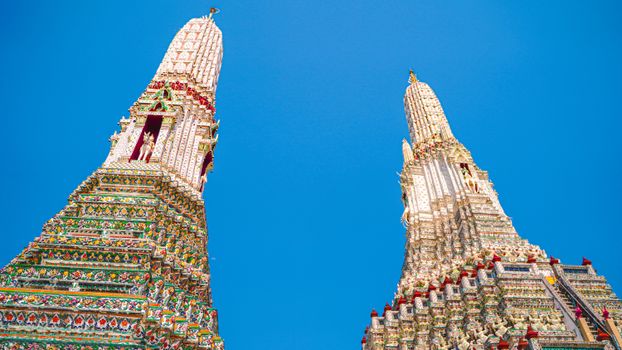
A dizzying, electric capital of glittering temples, rooftop bars, floating markets, and legendary street food. Chaotic and dazzling, it rewards travelers who dive headfirst into its energy.
Discover day-by-day travel plans shared by the Wander community in Thailand
Thailand has long been the beating heart of Southeast Asia travel, and for good reason. It pairs warm hospitality with extraordinary value, making it equally welcoming to first-time backpackers and seasoned luxury travelers. The country offers a staggering range of experiences within easy reach: chaotic, electric Bangkok in the center, misty jungle-clad mountains in the north, and some of the most beautiful tropical beaches on earth strung along two separate coastlines.
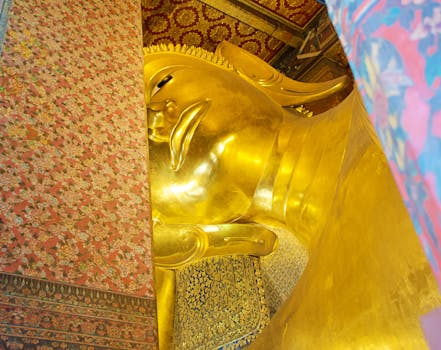
Food is central to any visit. Street stalls turn out fragrant bowls of noodles, fiery curries, and sweet mango sticky rice for just a few dollars, while glittering temples and golden Buddha statues sit around almost every corner. Getting around is cheap and straightforward thanks to budget flights, comfortable overnight trains, and a thriving network of buses and ferries. Whether you want to learn to cook in Chiang Mai, dive among coral reefs near Koh Tao, or simply lie on a hammock with a fresh coconut, Thailand makes it remarkably easy and affordable to do exactly what you came for.
A dizzying, electric capital of glittering temples, rooftop bars, floating markets, and legendary street food. Chaotic and dazzling, it rewards travelers who dive headfirst into its energy.
The laid-back cultural capital of the north, ringed by mountains and dotted with temples. Famous for cooking classes, night markets, ethical elephant sanctuaries, and digital nomads.
Thailand's largest island and busiest beach hub, offering everything from buzzing nightlife to quiet coves, plus easy boat access to the limestone karsts of Phang Nga Bay.
A scenic coastal province of dramatic limestone cliffs, emerald waters, and palm-fringed beaches. The launch point for Railay, Koh Phi Phi, and world-class rock climbing.
The atmospheric former royal capital, now a sprawling park of crumbling temples and Buddha statues wrapped in tree roots. An easy and rewarding day trip from Bangkok.
FX rate as of 2026-05-01
January
Cool, dry, and sunny across most of the country, this is peak season with near-perfect weather for both beaches and cities.
February
Still firmly in the dry season with comfortable temperatures and low rainfall, making it ideal for island-hopping and sightseeing.
March
Hot and dry with excellent beach conditions, though the north can grow hazy as farmers begin seasonal crop burning.
April
The hottest month of the year, with intense humidity, though the lively Songkran water festival is a memorable highlight.
May
The rainy season begins with rising humidity and afternoon downpours, but lush landscapes and lower prices reward flexible travelers.
June
Wet and humid with frequent short, heavy showers, although mornings are often clear and crowds remain pleasantly thin.
July
Steady monsoon rains continue, especially on the Andaman coast, but the Gulf islands often stay drier and welcoming.
August
One of the wettest months on the west coast, with occasional storms, though deals on accommodation are at their best.
September
Peak monsoon brings the heaviest rainfall of the year, with some islands and ferry routes facing rough seas and closures.
October
Rains begin tapering off late in the month as the dry season approaches, with green scenery and fewer tourists around.
November
The rains clear and cooler, drier weather returns, marking the start of the excellent high season for travel.
December
Dry, sunny, and pleasantly cool, this is prime time to visit, though prices and crowds peak around the holidays.
Yes, Thailand is one of the best-value destinations in the world. Backpackers can live comfortably on a tight daily budget thanks to inexpensive street food, guesthouses, and local transport, while mid-range and luxury travelers still get excellent value for money.
Many nationalities can enter visa-free or on arrival for short tourist stays, but rules change and depend on your passport. Always check the latest requirements with an official Thai embassy source before booking your trip.
The cool, dry season from November to March offers the best beach weather overall. Keep in mind that the Andaman coast and the Gulf coast have slightly different rainy seasons, so one side is often drier than the other.
Street food in Thailand is generally safe and delicious. Choose busy stalls with high turnover, where food is cooked fresh in front of you. Start gently if you are not used to spicy food and drink bottled or filtered water.
Budget flights connect major hubs quickly and cheaply, while overnight trains and buses are comfortable for longer routes. Ferries and speedboats link the islands, though schedules can be reduced during the monsoon season.
Dress modestly at temples by covering your shoulders and knees, and remove your shoes before entering buildings. Carrying a light scarf or sarong is a practical way to cover up quickly when you arrive at a sacred site.