 Wander
Tokyo
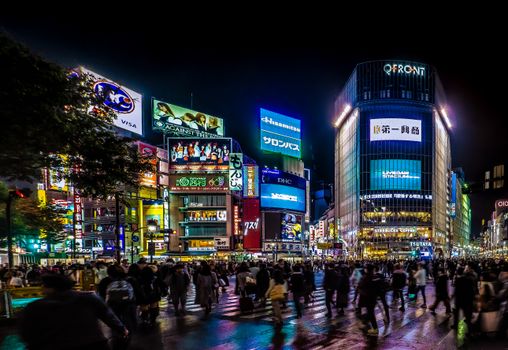
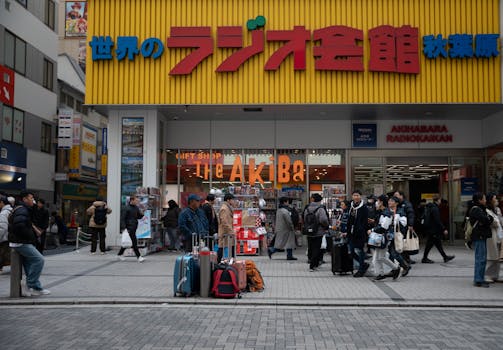
A neon-lit megacity where centuries-old shrines sit beside skyscrapers. Lose yourself in Shibuya, browse Akihabara, then find calm in the gardens of the Imperial Palace.
Discover day-by-day travel plans shared by the Wander community in Japan
Japan rewards travelers with a rare blend of ancient tradition and hyper-modern energy. Within a single day you can stand inside a thousand-year-old temple in the morning, ride a bullet train at nearly three hundred kilometers per hour by afternoon, and soak in a steaming hot spring under the stars that night. The country is famously safe, spotlessly clean, and remarkably easy to navigate thanks to one of the best public transport networks in the world.
First-time visitors usually anchor their trip around Tokyo and Kyoto, but Japan rewards those who venture further into mountain villages, subtropical islands, and snow country. Food is a destination in itself, from humble bowls of ramen to meticulous multi-course kaiseki dinners. Each season brings its own character: cherry blossoms in spring, festivals and fireworks in summer, fiery foliage in autumn, and powder snow in winter. Whether you crave culture, nature, or pure culinary adventure, Japan delivers an experience that lingers long after you return home.
A neon-lit megacity where centuries-old shrines sit beside skyscrapers. Lose yourself in Shibuya, browse Akihabara, then find calm in the gardens of the Imperial Palace.
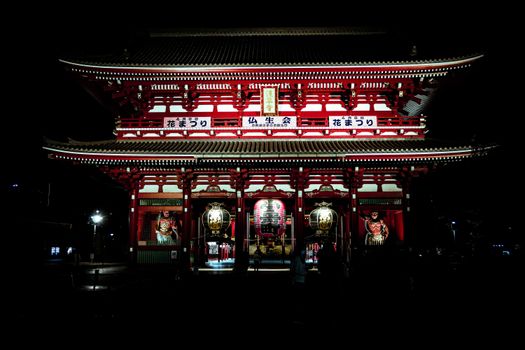
The cultural heart of Japan, home to thousands of temples, geisha districts, bamboo groves, and the iconic vermilion gates of Fushimi Inari snaking up the hillside.
Japan's kitchen and its most easygoing big city. Famous for street food like takoyaki and okonomiyaki, a buzzing nightlife, and the dazzling lights of Dotonbori.
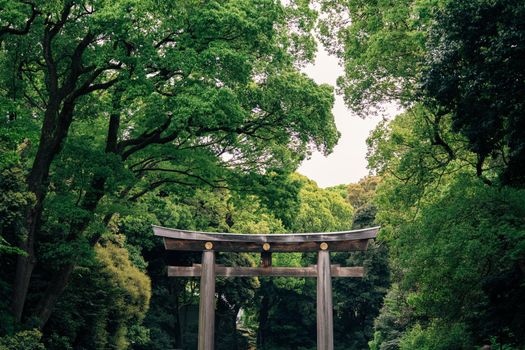
A moving city of peace and resilience, anchored by the Peace Memorial Park, with the floating torii gate of nearby Miyajima Island just a short ferry ride away.
The gateway to Hokkaido's wild north, beloved for its winter snow festival, world-class powder skiing, fresh seafood, miso ramen, and famous local beer.
FX rate as of 2026-05-01
January
Cold across most of the country, but excellent for powder skiing in Hokkaido and quiet, steaming hot-spring towns.
February
Still wintry and crisp, with the Sapporo Snow Festival drawing crowds north while southern cities stay mild and uncrowded.
March
Early cherry blossoms begin in the south and temperatures climb pleasantly, marking the start of the popular spring travel window.
April
Peak cherry blossom season with mild weather and stunning scenery, though it is the busiest and priciest time to visit.
May
Warm, dry, and green with comfortable temperatures, widely considered one of the very best months for sightseeing.
June
The rainy season sets in across much of Japan, bringing humidity and frequent showers, though hydrangeas bloom beautifully.
July
Hot and humid with summer festivals and fireworks, but heat and crowds can make daytime sightseeing tiring.
August
Peak summer heat and humidity plus domestic holiday crowds, although mountain and northern regions stay cooler.
September
Lingering heat eases gradually, but this is also typhoon season, so travel plans can occasionally be disrupted.
October
Cool, clear skies and the start of brilliant autumn foliage make this an outstanding and comfortable month to explore.
November
Peak autumn colors blanket temples and mountains in red and gold, with crisp, dry weather ideal for walking.
December
Cold and festive with winter illuminations in the cities and early snow beginning to settle over the northern resorts.
Japan is more affordable than its reputation suggests. Convenience-store meals, ramen shops, and budget business hotels keep daily costs reasonable, and a Japan Rail Pass can cut long-distance train spending dramatically if you plan to cover several cities.
No. Major train stations, signs, and ticket machines have English options, and translation apps handle most situations. A few polite phrases are appreciated, but most travelers manage comfortably without speaking the language.
The shinkansen, or bullet train, is the fastest and most comfortable way to move between major cities. It is punctual and frequent, and the Japan Rail Pass offers good value if you make multiple long trips within a short period.
Ten to fourteen days lets you comfortably cover Tokyo, Kyoto, and Osaka with day trips, plus one or two regions beyond. A shorter week-long trip works well if you focus on just the Tokyo and Kyoto corridor.
Cards are widely accepted in cities, but cash remains useful for small restaurants, rural areas, temples, and some transit. Carry some yen and withdraw from convenience-store ATMs, which reliably accept foreign cards.
A practical week-long Japan route covering Tokyo, Hakone, and Kyoto, with train tips, rough daily costs, and a realistic pace that leaves room to actually enjoy it.
Cherry blossoms, autumn leaves, snow, or summer festivals? Here is when to visit Japan based on what you actually want to see, plus the crowds and costs to expect.