 Wander
Rome
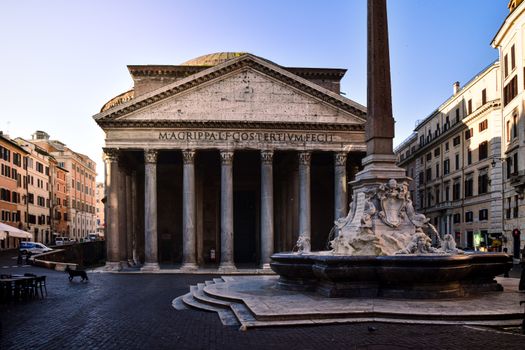
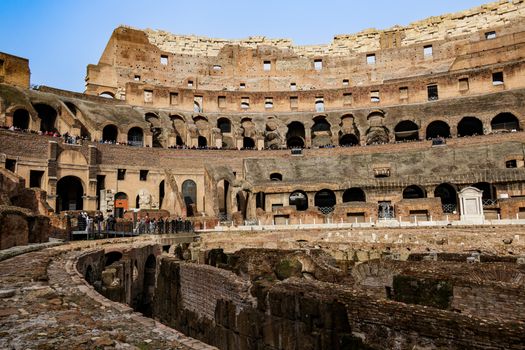
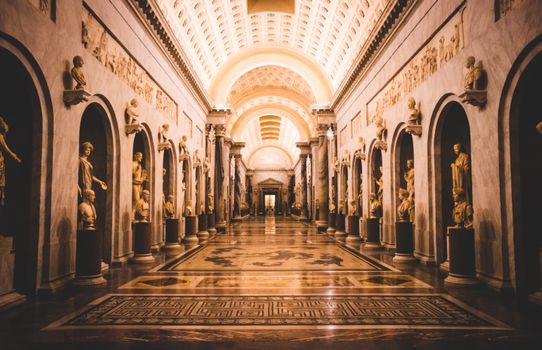
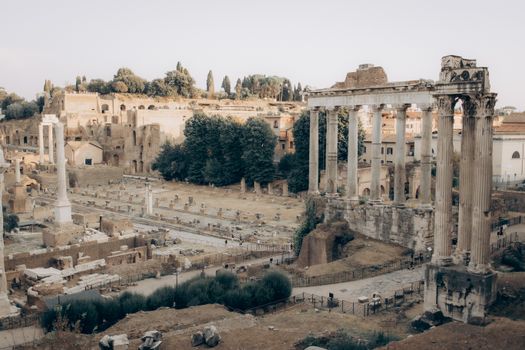
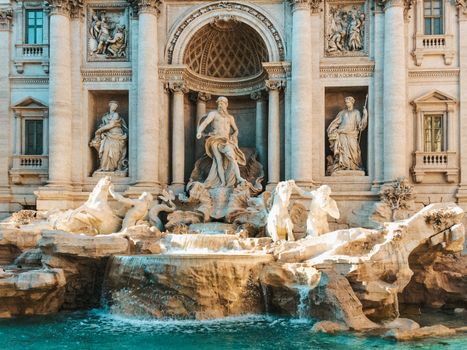
The eternal city, where ancient ruins like the Colosseum and Forum sit beside Baroque fountains and Vatican treasures. A vast open-air museum best explored slowly on foot.
Discover day-by-day travel plans shared by the Wander community in Italy
Few countries reward travelers as richly as Italy, where art, history, food, and landscape are woven together at every turn. This is a land of staggering cultural depth, from the ruins of ancient Rome and the Renaissance masterpieces of Florence to the canals of Venice and the timeless hill towns of Tuscany and Umbria. Yet Italy is just as much about everyday pleasures: a morning espresso at a marble bar, a long lunch under a vine-draped pergola, and an evening passeggiata through a piazza as the light turns gold.
Each region feels like its own small country, with distinct dialects, traditions, and signature dishes. The dramatic Amalfi Coast and the rugged trails of the Cinque Terre draw those craving sea and scenery, while the Dolomites offer alpine grandeur in the north. High-speed trains link the major cities in just a few hours, making it easy to combine art, beaches, and mountains in a single trip. Whether you come for the museums, the coastline, or simply the food, Italy delivers a feast for every sense and a strong pull to return.
The eternal city, where ancient ruins like the Colosseum and Forum sit beside Baroque fountains and Vatican treasures. A vast open-air museum best explored slowly on foot.
The cradle of the Renaissance, packed with world-class art, the soaring Duomo, and the Uffizi galleries. A walkable, golden-hued city surrounded by the rolling Tuscan hills.
A dreamlike maze of canals, bridges, and palazzi with no cars in sight. Wander beyond St Mark's Square to find quiet backstreets, hidden squares, and authentic local bacari.
Italy's stylish capital of fashion and design, home to the Gothic Duomo, Leonardo's Last Supper, and a polished aperitivo culture. A modern, fast-paced gateway to the north.
A gritty, vibrant city bursting with energy and the birthplace of pizza. The launch point for Pompeii, the Amalfi Coast, and the islands of Capri and Ischia.
FX rate as of 2026-05-01
January
Cold and quiet, with short days and chilly cities, though it is excellent for skiing in the Alps and Dolomites.
February
Still cool across most regions, but the famous Venice Carnival brings color and crowds to an otherwise low-season month.
March
Spring slowly arrives with mild but variable weather; a good shoulder month with thinner crowds before the season ramps up.
April
Pleasantly warm with blooming countryside and manageable crowds, making it one of the most rewarding months to explore.
May
Warm, sunny, and green with long days and comfortable temperatures, widely regarded as a near-perfect time to visit.
June
Reliably warm and sunny with lively coastal towns, though prices rise and popular sights start to grow busier.
July
Hot and crowded, especially in the cities and along the coast, with peak prices and intense midday heat inland.
August
The hottest and busiest month, when many locals take holidays and some city businesses close while beaches overflow.
September
Warm seas, softer light, and easing crowds make this a superb month, with the grape harvest enlivening the countryside.
October
Mild, golden autumn weather with fewer tourists and excellent food festivals, ideal for cities and the countryside alike.
November
Cooler and wetter with shorter days, but quieter sights and lower prices reward travelers who do not mind some rain.
December
Cold and festive, with Christmas markets and twinkling cities, though many coastal and rural areas wind down for winter.
Thanks to fast trains, you can comfortably combine three major cities such as Rome, Florence, and Venice in about ten days. Resist the urge to add too many stops, as time spent moving cuts into the relaxed pace that makes Italy special.
Italy spans a wide range of budgets. Cities like Venice and the Amalfi Coast can be pricey, but you can eat and travel well for a moderate daily budget by choosing local trattorias, picnic lunches, and regional trains over taxis.
Yes, for top sights like the Vatican Museums, the Uffizi, and the Colosseum, booking timed tickets online saves hours of queuing. In peak summer, advance reservations are essential to avoid long waits in the heat.
High-speed trains link the major cities quickly and affordably, making them the best option for most travelers. Renting a car only makes sense for exploring the countryside, such as Tuscany or the Dolomites, where public transport is limited.
July and August bring the heaviest crowds and highest prices, along with intense heat. For the best balance of good weather and thinner crowds, aim for the shoulder seasons of April to early June or September to October.
Ditch the spreadsheets and plan a multi-city Eurotrip on an interactive 3D globe: map your route, track daily costs, and optimize travel days without the chaos.
A clear daily budget for Italy across backpacker, mid-range, and comfortable styles, covering beds, food, trains, and the sneaky costs that wreck a spreadsheet.