 Wander
Ubud
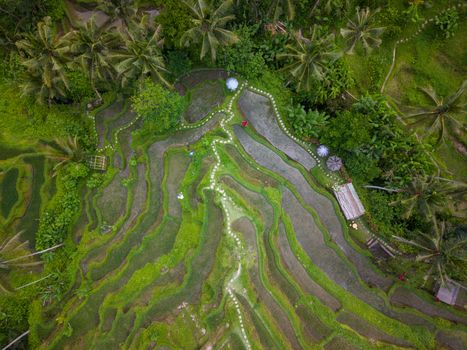
Bali's lush cultural heart, surrounded by emerald rice terraces and sacred monkey forests. A hub for yoga, art markets, temples, and wellness retreats away from the beach scene.
Discover day-by-day travel plans shared by the Wander community in Indonesia
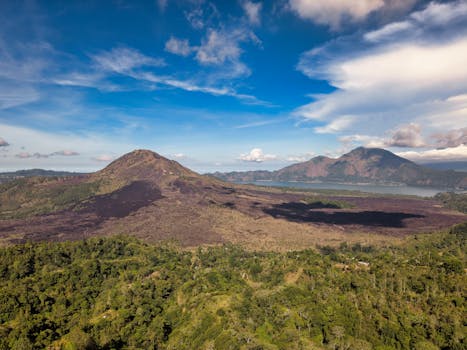
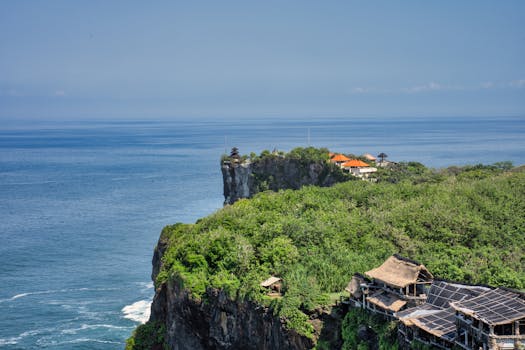
Indonesia is the world's largest archipelago, a sprawling chain of more than seventeen thousand islands stretching across the equator. This staggering scale translates into incredible diversity: steaming volcanoes and emerald rice terraces, world-class surf breaks and coral reefs, dense jungles home to orangutans, and a rich tapestry of cultures and religions spread across hundreds of ethnic groups and languages. For most travelers the journey begins on Bali, the famous island of temples, beaches, and yoga retreats, but the country rewards those who venture further afield.
Beyond Bali lie the dragon-inhabited islands of Komodo, the cultural heartland of Java with its ancient temples of Borobudur and Prambanan, and the remote dive paradise of Raja Ampat. Food is fragrant and varied, built around rice, fresh seafood, satay, and rich spiced curries. Travel between islands relies on a mix of budget flights and ferries, and distances can be deceptively large, so it pays to focus on one or two regions per trip. Affordable, warm, and endlessly varied, Indonesia offers everything from barefoot beach days to genuine off-the-grid adventure.
Bali's lush cultural heart, surrounded by emerald rice terraces and sacred monkey forests. A hub for yoga, art markets, temples, and wellness retreats away from the beach scene.
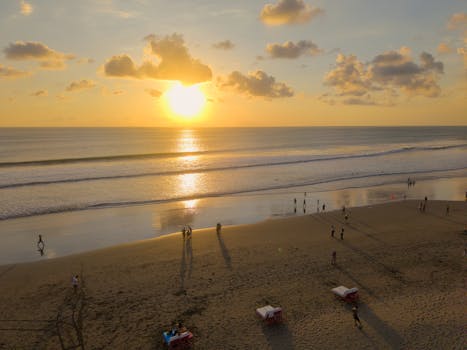
Bali's stylish coastal district, known for its sunset beach clubs, boutique shopping, surf-friendly waves, and a sophisticated dining and nightlife scene popular with visitors.
The soul of Javanese culture, gateway to the magnificent temples of Borobudur and Prambanan, with royal palaces, batik workshops, and a lively student and arts scene.
The vast, fast-moving capital, a sprawling metropolis of skyscrapers, malls, and street food. A chaotic but fascinating window into modern Indonesian life and its melting-pot energy.
A laid-back harbor town on Flores and the launch point for Komodo National Park, with boat trips to see Komodo dragons, pink beaches, and spectacular diving and snorkeling.
FX rate as of 2026-05-01
January
The heart of the wet season brings heavy afternoon downpours and high humidity, though mornings can still be bright and warm.
February
Rain remains frequent across much of the country, with lush green scenery but occasional disruptions to boat trips and diving.
March
The wet season slowly winds down with decreasing rainfall, offering a quieter, greener and more affordable shoulder-season experience.
April
The transition to the dry season brings warm, increasingly sunny days and fewer crowds, making it a fine time to visit.
May
Reliably dry, sunny, and pleasant with comfortable humidity, marking the start of the excellent peak travel window.
June
Dry, warm, and sunny with calm seas, ideal for beaches, diving, and island-hopping before the busiest holiday crowds arrive.
July
Peak dry season with superb weather and excellent visibility for diving, though it is also the busiest and priciest month.
August
Dry, sunny, and breezy with great conditions throughout, remaining popular and lively across Bali and the dive destinations.
September
Still firmly dry with warm days and easing crowds, often considered one of the very best months to travel widely.
October
The first rains return toward month's end as humidity rises, but early October can still offer plenty of fine, sunny days.
November
The wet season resumes with regular afternoon showers and growing humidity, though landscapes turn beautifully green again.
December
Wet and humid with frequent rain, but festive holiday energy and lush scenery reward travelers who can stay flexible.
Bali is only one small island in a vast archipelago. While it is a wonderful introduction, venturing to Java, Komodo, the Gili Islands, or Lombok reveals far more of the country's culture, landscapes, and wildlife if you have the time.
Indonesia offers excellent value, with cheap local food, affordable guesthouses, and inexpensive scooter rentals. Costs rise in tourist hotspots and for diving or boat trips, but most travelers find their money goes a long way overall.
Many visitors can get a visa on arrival or an electronic visa for short tourist stays, but requirements depend on your nationality. Check the official Indonesian immigration website for the latest rules before you travel.
Short budget flights connect the major islands quickly and cheaply, while ferries and speedboats serve shorter hops. Within islands, scooters, private drivers, and ride-hailing apps are the most common and convenient ways to get around.
The dry season from May to September generally offers the calmest seas and best underwater visibility, making it ideal for diving and snorkeling. Conditions vary by region, so check local seasons for specific spots like Raja Ampat or Komodo.